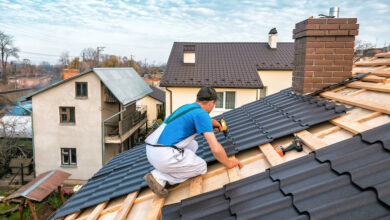
Choosing the right roofing material is a long-term decision that affects durability, maintenance costs, energy efficiency, and the overall appearance of a home. Asphalt shingles and metal roofing remain two of the most widely used options worldwide because each offers distinct advantages depending on climate conditions, budget, and performance expectations.
This comparison explains how they differ across essential factors so homeowners can make a practical and informed decision.
What Are Asphalt Shingles
Asphalt shingles are layered roofing materials made from fiberglass or organic mats coated with asphalt and mineral granules. They are commonly used on residential properties because they are affordable, easy to install, and widely available.
Key Characteristics of Asphalt Shingles
- Lower upfront installation cost
- Available in many colors and textures
- Suitable for most residential roof structures
- Easier to repair compared to rigid roofing materials
- Moderate lifespan compared to premium roofing systems
They are particularly popular in regions where installation speed and cost efficiency matter most.
What Is Metal Roofing
Metal roofing systems are typically made from steel, aluminum, zinc, or copper panels designed to interlock and provide long-term structural protection. They are known for durability and resistance to extreme weather.
Key Characteristics of Metal Roofing
- Long service life
- High resistance to wind, rain, and snow
- Reflects solar heat efficiently
- Requires minimal maintenance
- Suitable for modern and traditional homes alike
Metal roofing is often selected for long-term performance rather than short-term affordability.
Cost Comparison
Cost is one of the most important deciding factors when selecting roofing materials.
Asphalt Shingles
Asphalt shingles typically have a lower upfront cost. Installation is straightforward and requires less specialized labor, which reduces total project expenses.
However, replacement cycles occur more frequently, increasing long-term ownership costs.
Metal Roofing
Metal roofing has a higher installation cost due to specialized materials and labor requirements. Despite the initial expense, its lifespan often makes it more economical over several decades.
Homeowners planning long-term occupancy often find metal roofing financially practical over time.
Durability and Lifespan
Durability directly affects maintenance frequency and replacement timelines.
Asphalt Shingles
Typical lifespan ranges between 15 and 30 years depending on:
- climate conditions
- installation quality
- ventilation
- shingle grade
Strong winds and temperature fluctuations may shorten their service life.
Metal Roofing
Metal roofing commonly lasts between 40 and 70 years. Some premium metals exceed this range with proper maintenance.
They perform especially well in:
- heavy rainfall regions
- snowfall areas
- coastal climates
- wildfire-prone zones
This makes metal roofing one of the most durable residential roofing options available.
Weather Resistance
Roofing materials must withstand environmental stress throughout the year.
Asphalt Shingles
They perform well in moderate climates but may:
- crack in extreme cold
- warp in high heat
- loosen during strong winds
High-quality architectural shingles improve resistance but still have limitations compared to metal roofing.
Metal Roofing
Metal roofing offers strong protection against:
- high winds
- hail
- snow accumulation
- heavy rainfall
Its interlocking panel structure reduces the likelihood of water penetration.
Energy Efficiency
Energy performance influences indoor comfort and utility costs.
Asphalt Shingles
Standard asphalt shingles absorb heat, which may increase cooling costs in warm climates. Reflective shingle variants are available but still perform below metal roofing in most cases.
Metal Roofing
Metal roofing reflects solar radiation effectively. This helps:
- reduce attic heat buildup
- lower cooling energy demand
- improve indoor comfort
Reflective coatings further enhance efficiency.
Maintenance Requirements
Maintenance expectations vary significantly between these roofing materials.
Asphalt Shingles
Routine maintenance may include:
- replacing damaged shingles
- cleaning debris buildup
- checking for algae growth
- sealing exposed areas
Frequent inspection helps extend lifespan.
Metal Roofing
Metal roofs typically require minimal maintenance beyond:
- occasional inspection
- clearing debris
- checking fasteners if exposed
Protective coatings also help prevent corrosion.
Installation Complexity
Installation quality affects both performance and longevity.
Asphalt Shingles
Installation is faster and simpler. Most roofing contractors are experienced with asphalt shingle systems.
This helps reduce labor costs and project timelines.
Metal Roofing
Metal roofing installation requires skilled professionals familiar with panel alignment and fastening systems.
Improper installation may reduce performance benefits.
Appearance and Design Options
Visual appeal plays a major role in roofing selection.
Asphalt Shingles
They are available in many styles including:
- three-tab shingles
- architectural shingles
- dimensional shingles
These options allow homeowners to match various architectural styles easily.
Metal Roofing
Metal roofing offers:
- standing seam panels
- textured finishes
- multiple color coatings
- modern and traditional profiles
Its sleek appearance complements contemporary residential design particularly well.
Environmental Impact
Sustainability matters increasingly in construction decisions.
Asphalt Shingles
They are petroleum-based and less recyclable than metal roofing. Disposal after replacement contributes to landfill waste.
Some recycling programs exist but availability varies by region.
Metal Roofing
Metal roofing is often made from recycled materials and remains fully recyclable at the end of its service life.
Its longevity also reduces replacement frequency, lowering environmental impact.
Noise Levels During Rainfall
Noise perception varies depending on installation methods.
Asphalt Shingles
They provide natural sound dampening because of their layered structure.
Rainfall noise is generally minimal.
Metal Roofing
Modern metal roofing installed over insulation and decking does not create excessive noise. Proper installation significantly reduces sound transmission.
Which Roofing Option Is Better for Your Home
The better choice depends on priorities.
Choose asphalt shingles if:
- budget is limited
- installation speed matters
- short-term ownership is expected
- traditional appearance is preferred
Choose metal roofing if:
- long-term durability is important
- energy efficiency matters
- extreme weather resistance is required
- sustainability is a priority
Both materials perform well when professionally installed.
Frequently Asked Questions
Is metal roofing suitable for hot climates
Yes. Metal roofing reflects solar heat efficiently and helps maintain lower indoor temperatures compared to asphalt shingles.
Can asphalt shingles be installed over existing roofing
In some cases they can be installed over a single existing layer, but structural inspection is recommended before proceeding.
Does metal roofing increase property value
Homes with metal roofing often attract buyers because of durability and lower maintenance expectations.
Are asphalt shingles available in premium quality versions
Yes. Architectural and dimensional shingles offer improved durability and aesthetic appeal compared to standard three-tab shingles.
Is metal roofing vulnerable to rust
Modern metal roofing uses protective coatings that significantly reduce corrosion risk when properly maintained.
Which roofing material performs better during storms
Metal roofing generally performs better because of its interlocking panels and resistance to wind uplift.
Can metal roofing be installed on all roof slopes
Most slopes are compatible with metal roofing, though panel selection depends on pitch requirements.