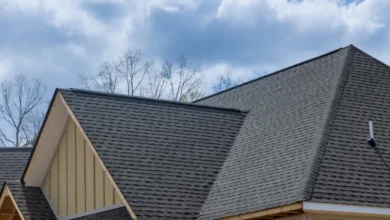
Choosing the right roofing material is one of the most important decisions in any construction or renovation project. A roof does far more than protect a structure from weather. It influences durability, energy efficiency, maintenance costs, and the overall appearance of a building. With several options available today, understanding how different roofing materials perform can help homeowners and property developers make informed decisions that suit both climate conditions and long-term budgets.
Why Roofing Material Selection Matters
The roof is constantly exposed to environmental stress such as heat, rain, wind, and debris. The right material improves structural safety while reducing repair frequency and energy consumption.
Key factors affected by roofing choice include:
- Lifespan of the building
- Indoor temperature regulation
- Maintenance requirements
- Resistance to weather conditions
- Property value enhancement
- Visual appeal
Selecting an appropriate material ensures long-term performance and cost efficiency.
Asphalt Shingles
Asphalt shingles are among the most widely used roofing materials because they are affordable, versatile, and easy to install.
Benefits of asphalt shingles
- Cost-effective compared to most alternatives
- Available in multiple colors and styles
- Easy replacement and repair
- Suitable for a variety of climates
- Moderate lifespan ranging between 15 and 30 years
They are especially suitable for residential properties where budget and quick installation are priorities.
Metal Roofing
Metal roofing has become increasingly popular for both residential and commercial buildings due to its strength and sustainability.
Benefits of metal roofing
- Long lifespan often exceeding 40 years
- High resistance to extreme weather conditions
- Reflects sunlight and improves energy efficiency
- Lightweight compared to tile and slate
- Recyclable and environmentally friendly
Metal roofs perform particularly well in regions with heavy rainfall or strong winds.
Clay Roof Tiles
Clay tiles are known for their timeless appearance and durability. They are commonly used in warm climates due to their heat resistance.
Benefits of clay tiles
- Excellent thermal insulation
- Long service life often exceeding 50 years
- Fire resistant material
- Distinctive architectural appeal
- Minimal maintenance requirements
They are ideal for regions experiencing high temperatures and intense sunlight.
Slate Roofing
Slate is a premium natural roofing material valued for its strength and elegance. It is often selected for luxury properties and heritage-style homes.
Benefits of slate roofing
- Extremely long lifespan often exceeding 75 years
- High resistance to fire and moisture
- Natural and environmentally sustainable
- Unique texture and visual character
- Adds significant property value
Although installation costs are higher, slate provides exceptional durability.
Wood Shingles and Shakes
Wood roofing materials provide a natural appearance that blends well with landscapes and traditional architecture.
Benefits of wood shingles and shakes
- Attractive rustic aesthetic
- Good insulation performance
- Lightweight structure support
- Environmentally friendly when sourced responsibly
- Suitable for moderate climate zones
Regular maintenance helps extend their service life and maintain performance.
Concrete Roof Tiles
Concrete tiles are designed to replicate the appearance of clay tiles while offering improved affordability and strength.
Benefits of concrete tiles
- Strong resistance to weather damage
- Long lifespan of around 40 to 60 years
- Fire resistant composition
- Wide variety of finishes and shapes
- Suitable for both traditional and modern homes
They are widely used in areas with strong winds and heavy rainfall.
Green Roofing Systems
Green roofs incorporate vegetation layers installed above waterproof membranes. They are increasingly popular in sustainable construction.
Benefits of green roofs
- Improves insulation and energy efficiency
- Reduces urban heat impact
- Enhances air quality
- Manages rainwater naturally
- Creates usable rooftop space
These systems are ideal for environmentally conscious developments.
Factors to Consider Before Choosing a Roofing Material
Selecting the right roofing option depends on multiple practical considerations.
Important evaluation factors include:
- Local climate conditions
- Budget availability
- Structural load capacity
- Maintenance expectations
- Desired lifespan
- Architectural compatibility
Matching these elements with the right material ensures optimal long-term performance.
Frequently Asked Questions
Which roofing material lasts the longest
Slate roofing typically offers the longest lifespan, often exceeding 75 years with proper installation and maintenance.
Which roofing material is best for hot climates
Clay tiles and metal roofs perform well in hot climates because they reflect heat and provide strong insulation.
Is metal roofing noisy during rainfall
Modern metal roofing systems include insulation layers that significantly reduce sound levels during rain.
Are green roofs suitable for residential buildings
Yes, green roofs can be installed on residential structures if the building can support the additional weight and proper waterproofing is used.
How often should a roof be inspected
Roofs should generally be inspected at least once every year and after major storms.
Which roofing material requires the least maintenance
Metal and slate roofs typically require minimal maintenance compared to wood or asphalt shingles.
Can roofing materials improve energy efficiency
Yes, reflective surfaces, insulation-friendly materials, and green roofing systems can significantly reduce indoor cooling requirements.