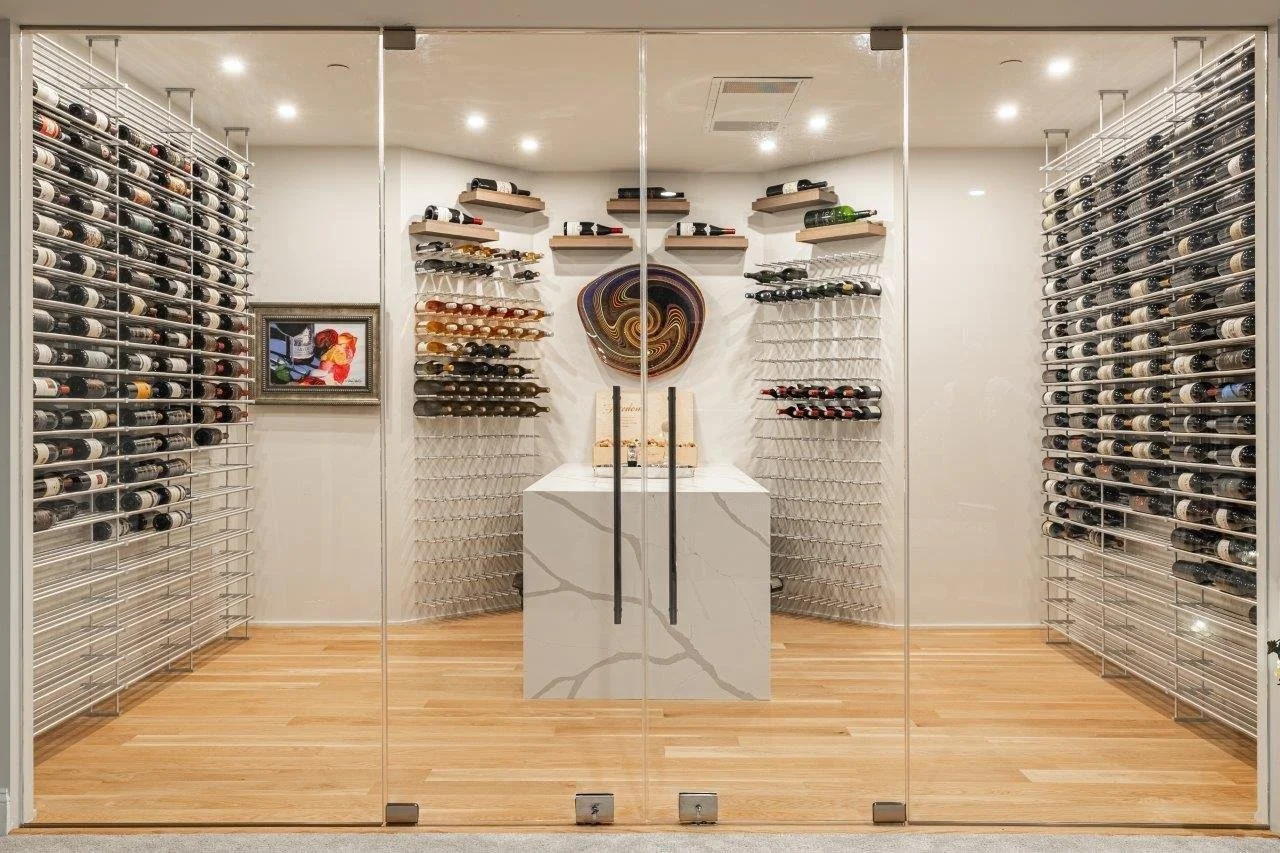
The finest wine displays begin by removing visual clutter
Traditional wine rooms often hide collections behind heavy doors and deep wooden racks. A modern cellar takes a different path. It uses open sightlines, slim supports, clean geometry, and careful spacing. Bottles appear to float rather than fill every inch of the wall. We prepared this guide for homeowners who want their collection to feel connected to the surrounding interior. That goal can be achieved through modern wine cellars – Millesime created with contemporary display systems, tailored layouts, and refined material choices. The result can serve as practical storage while giving the room a strong architectural focus.
This guide explores proportion, bottle placement, materials, lighting, and room flow. We will explain why leaving open space can make a collection appear more valuable and organized. You will also learn how wall-mounted displays, glass enclosures, wood details, and metal racks can work together. A successful cellar should not look like a decorative shelf that happens to hold wine. It should protect the collection, support easy access, and complement the home from several viewing angles. Owners should also consider future bottle growth before approving the final capacity. With thoughtful planning, even a narrow wall, unused alcove, or dining area can become a calm and useful wine display.
What visual choices give a wine cellar modern character
Modern design depends on restraint. Every rack, finish, and bottle angle should have a clear purpose. Thin metal supports can create a lighter look than large cabinets. Label-forward placement makes bottles easier to identify while adding rhythm to the wall. Glass can keep the collection visible without letting the display spill into the room. Neutral materials often help the wine become the main visual feature.
Key design choices include
- Clean horizontal or vertical bottle arrangements
- Slim hardware with a consistent finish
- Open space between major display sections
- Glass walls with minimal framing
- Simple materials that match nearby interiors
Avoid mixing too many rack styles in one small cellar. Repeated forms create order and help the eye move through the collection. A single feature area can hold rare bottles or larger formats. The remaining storage can stay quieter and more efficient. Modern character comes from disciplined choices, not from adding more decoration.
How should storage capacity shape the display pattern
A striking cellar still needs enough room for the collection. Begin by separating everyday bottles, long-term wines, large formats, and unopened cases. This prevents display areas from becoming overcrowded later. Count present bottles, then leave room for realistic growth. A collector who buys by the case may need more deep storage than front-facing display. Someone who entertains often may prefer quicker access near the serving area.
Capacity planning should also account for
- Standard bottles and wider Champagne bottles
- Magnums and other oversized formats
- Case storage for less visible inventory
- Spirits or glassware stored within the room
- Space reserved for future purchases
Do not force every bottle into the same orientation. Mixed storage can improve both capacity and visual balance. Feature rows may present labels, while hidden areas hold larger quantities. The best layout makes selection simple without turning the cellar into a crowded wall of Glass.
Why do materials and lighting need one shared design plan
Materials affect how light moves through a cellar. Dark metal can create sharp outlines, while lighter finishes may soften the display. Wood adds warmth but can become visually heavy when used across every surface. Glass reflects nearby rooms, lights, and windows. For that reason, lighting should be planned before the final finishes are approved. A small change in fixture position can alter the entire display.
- Begin with the surrounding room
Study the flooring, wall color, cabinets, and nearby furniture. The cellar should relate to those elements without copying them exactly. A shared tone or finish can create a natural link.
- Control glare on Glass
Bright points of light can create distracting reflections. Use soft, well-placed fixtures instead of harsh beams. Test the view from both the outside and the inside of the cellar.
- Protect the visual focus
Lighting should help people read labels and move safely. It should not make every rack or bracket compete for attention. The bottles should remain the center of the design.
- Keep heat low
Choose fixtures suited to wine storage spaces. Low-heat lighting supports more stable conditions and reduces stress on the cooling system. Practical care should guide every decorative choice.
Let the collection become part of the home with quiet confidence
A modern wine cellar succeeds when storage, architecture, and daily use feel inseparable. Clean lines can make bottles easier to view, but capacity and climate needs must remain part of the plan. We recommend beginning with the collection itself, then shaping the display around the room and its natural sightlines. Choose a limited material palette and test the lighting from several angles. Leave breathing room around important bottles and space for future additions. When each decision serves both beauty and function, the cellar gains a calm presence that will remain appealing long after the final bottle is placed.


