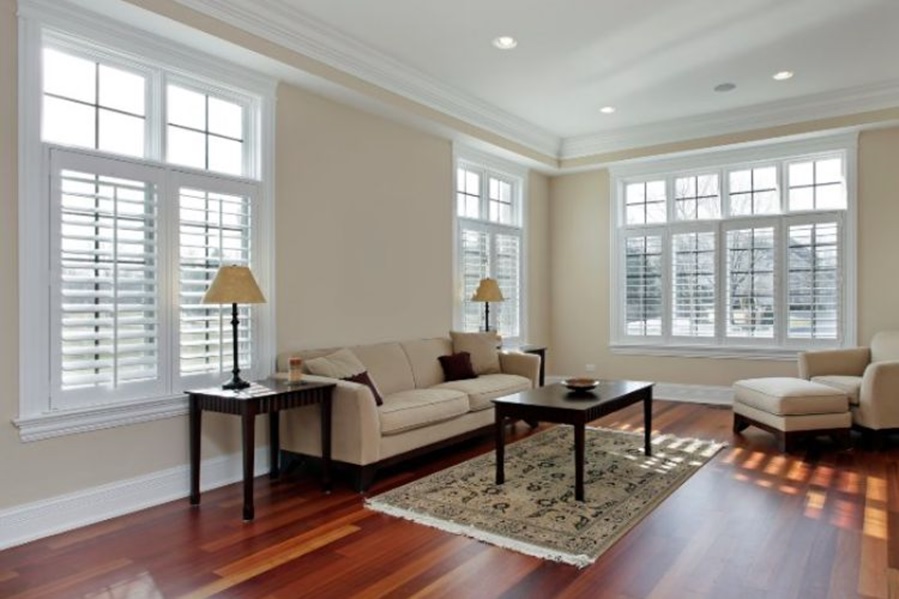
Replacing windows throughout a home does not necessarily mean choosing the exact same configuration for every opening. A bedroom, kitchen, living room, and bathroom can each have different priorities related to ventilation, natural light, privacy, furniture placement, and everyday operation. Approaching window replacement room by room can help homeowners think beyond appearance and consider how each new window will actually function after the project is complete.
Homeowners considering window replacement in Attleboro, MA can begin by walking through the house and evaluating individual rooms rather than looking at every window as part of one identical group. Existing window styles, problems with operation, changing household needs, and plans for future renovations can all provide useful direction before products are selected.
Begin With How Each Room Is Used
The purpose of a room can influence what homeowners expect from its windows.
A living room may prioritize natural light and outdoor views, while a bedroom may place greater emphasis on ventilation and convenient operation. Kitchens have cabinets, counters, and appliances to consider, while bathrooms often introduce privacy concerns.
Walk through the home and make notes about each space.
Consider what works well with the existing windows and what regularly causes frustration. This creates a more practical starting point than choosing a window based solely on how it looks in a catalog.
Decide Whether the Existing Style Still Works
Replacing an old window does not always require duplicating its exact style.
In some situations, homeowners may want to keep the existing configuration because it works well with the room and the exterior architecture. In others, changing household needs may make another option worth discussing.
Think about how frequently the window is opened and whether the current method of operation is convenient.
Furniture placement can also matter. A window located behind a sofa, desk, or counter may be easier to use with one operating style than another.
These details can be discussed before final product decisions are made.
Look at Natural Light Differently in Every Room
Natural light can influence how a room feels throughout the day.
Before window replacement, observe each space in the morning, afternoon, and evening. Some rooms may already receive plenty of daylight, while others could feel darker because of orientation, landscaping, or surrounding structures.
Homeowners should also consider glare.
A window that provides pleasant morning light may create stronger glare later in the day, particularly around televisions or computer screens.
Understanding these patterns can help homeowners have more informed conversations about glass, window treatments, and other design decisions.
Consider Energy Performance When Comparing Windows
Appearance and operation are important, but homeowners can also compare the energy-performance information provided with different window products.
The U.S. Department of Energy explains how energy performance ratings can help homeowners compare windows, including measurements related to heat transfer and solar heat gain.
These ratings can provide more useful information than relying on general marketing terms alone.
Homeowners do not need to become building-science experts. They can ask installers to explain relevant product ratings and how different options relate to their home, climate, and project goals.
Give Kitchens Extra Attention
Kitchen windows often interact with more fixed features than windows elsewhere in the home.
Counters, cabinets, sinks, faucets, backsplashes, and appliances can all influence accessibility.
If the window is positioned above a sink or counter, consider how comfortably it can be reached and operated.
Homeowners planning a future kitchen remodel should mention those plans before replacing windows.
Changing countertop heights, cabinetry, or the overall kitchen layout later could affect how the window relates to the finished room.
Coordinating these projects early can help avoid unnecessary compromises.
Think About Bedroom Needs
Bedrooms introduce another set of considerations.
Ventilation, privacy, window treatments, furniture placement, and applicable safety requirements can all influence planning.
Homeowners should avoid blocking important window access with large furniture whenever access needs to remain available.
If a bedroom layout has changed since the home was built, this is a good opportunity to reconsider how the window functions within the room.
An installer can also explain which options are appropriate for the existing opening and project scope.
Do Not Overlook Bathrooms
Bathroom windows may be smaller, but their location can make them important.
Privacy is often a primary consideration, along with ventilation and the effects of regular moisture exposure within the room.
Homeowners can think about how much natural light they want while also considering visibility from neighboring properties or outdoor areas.
Window treatments or privacy-oriented glass options may be worth discussing depending on the project.
The goal is to make the window work with the bathroom rather than treating it as an afterthought because of its smaller size.
Think About Furniture Before Finalizing Choices
Furniture can dramatically affect how accessible a window is.
A bedroom dresser, home-office desk, sectional sofa, or dining cabinet may sit directly beneath or beside an opening.
Before window replacement, homeowners can evaluate whether these arrangements are likely to remain.
If a room is scheduled for renovation or new furniture is being purchased, considering both projects together can make sense.
Homeowners do not need to design an entire room around a window, but they should understand how everyday furnishings influence access, operation, and the view.
Look Outside From Inside
Homeowners naturally evaluate windows from the exterior because they influence curb appeal.
The view from inside deserves equal consideration.
Stand where people normally sit, work, eat, or relax and look through each window.
A large tree, garden, backyard, neighboring structure, or street may influence how important a particular view is.
This exercise can help homeowners identify windows where maintaining an open view is especially important and others where privacy may deserve greater consideration.
Keep the Exterior Consistent
Room-by-room planning does not mean the exterior should look disconnected.
Changes that make sense inside should also be considered in relation to the home’s architecture.
Walk outside and observe how windows align across each elevation.
Trim, siding, exterior colors, and neighboring windows all contribute to the overall appearance.
Homeowners considering different window configurations can discuss how those choices may affect exterior consistency before making final decisions.
Decide Whether to Replace Everything at Once
Not every window replacement project has to include the entire house at the same time.
Some homeowners may choose a whole-house project, while others may prioritize particular rooms or groups of windows.
The appropriate approach depends on the condition of the existing windows, household priorities, budget, and broader renovation plans.
If the project will happen in phases, homeowners can think ahead about product consistency and future availability.
Keeping records of installed products can also make later phases easier to coordinate.
Reevaluate Rooms After Installation
New windows can change how homeowners perceive familiar rooms.
After installation, take time before automatically returning every curtain, blind, piece of furniture, and decoration to its previous location.
A room may benefit from a slightly different arrangement.
Homeowners might discover that they want to emphasize a newly improved view, change a window treatment, or move furniture to make operation more convenient.
A replacement project can therefore become an opportunity to reconsider how individual rooms function.
Make Window Choices Fit the Entire Home
Windows perform similar basic functions throughout a house, but the rooms surrounding them are rarely identical. Evaluating natural light, operation, privacy, furniture, views, and future renovations can help homeowners approach window replacement as more than simply exchanging old units for new ones.
Homeowners planning a project can speak with United Better Homes Attleboro about their existing windows and the needs of different rooms throughout the property. Considering each space individually while keeping the home’s overall design in mind can help create a replacement plan that makes sense both inside and outside.