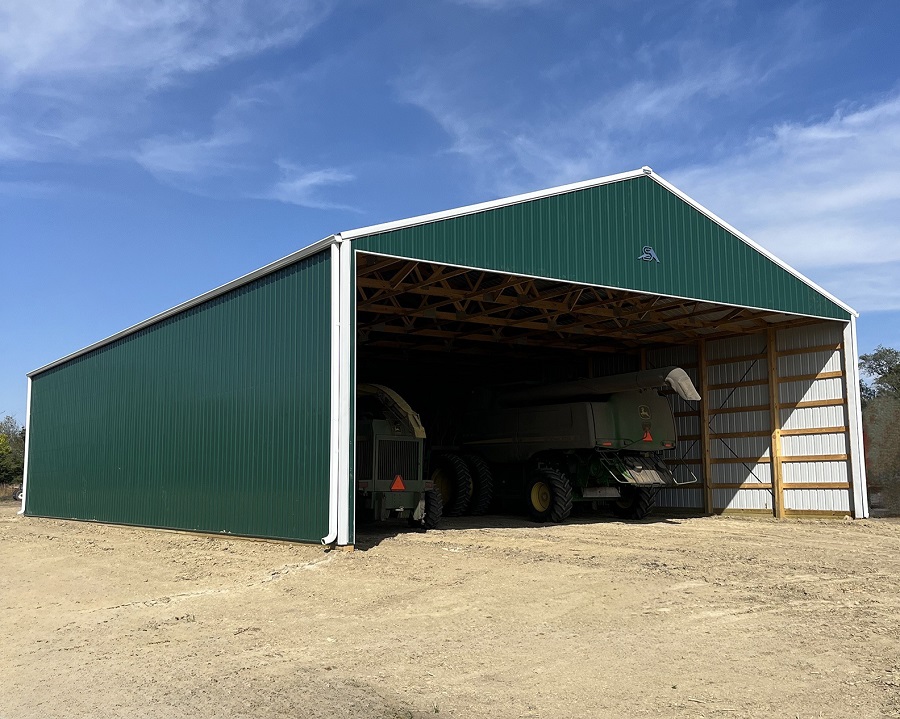
Running a farm efficiently requires more than productive land, reliable equipment and careful planning. The way tools, machinery, feed, supplies and materials are stored can have a direct effect on how smoothly daily work is completed. When important equipment is scattered across open areas or stored wherever space happens to be available, valuable time can be lost searching, moving and protecting essential items.
Farm sheds provide a practical answer to this challenge. More than simple agricultural buildings, they can serve as central storage areas, equipment shelters, workshops and operational spaces designed around the specific needs of a working property. With thoughtful planning, a well-designed farm shed can improve organisation, protect valuable assets and help create a more efficient working environment.
Creating a Dedicated Place for Essential Equipment
Farm operations often involve a wide range of tools and machinery. Tractors, trailers, implements, fencing equipment, hand tools, irrigation supplies and maintenance materials all require appropriate storage.
Leaving equipment outdoors exposes it to weather and unnecessary wear. At the same time, storing everything in different locations can make routine tasks slower.
A farm shed provides a defined location where equipment can be arranged logically. Larger machinery can be allocated specific bays, while smaller tools can be kept on shelving, racks or wall-mounted systems.
This simple change can make a significant difference. When workers know where equipment belongs, less time is spent searching for it and more time can be devoted to productive agricultural work.
Protecting Machinery From the Elements
Agricultural machinery represents a considerable investment, making protection an important consideration for farm owners.
Sunlight, rain, wind, dust and fluctuating temperatures can all contribute to deterioration over time. While farm equipment is built for demanding conditions, storing machinery under suitable cover when it is not being used can help reduce unnecessary exposure.
A well-constructed farm shed provides a sheltered environment for tractors, harvest equipment, trailers and other machinery. Keeping equipment dry and protected can also make maintenance routines easier.
A sheltered machine is generally easier to inspect than one that has been sitting exposed to the weather. Small issues can potentially be identified before they become more serious maintenance problems.
Improving Farm Organisation
Organisation becomes increasingly important as the scale and complexity of a farm operation grows. Without a sensible storage system, sheds can quickly become crowded with tools, spare parts, materials and equipment.
A well-planned interior can prevent this problem.
Consider dividing the shed into practical zones. Machinery can occupy open floor areas, while smaller equipment can be placed along walls. Frequently used tools should remain accessible, while seasonal items can be stored in less prominent areas.
Useful organisational features may include:
- Heavy-duty shelving for supplies and smaller equipment
- Wall-mounted racks for long-handled tools
- Dedicated bays for machinery and trailers
- Secure cabinets for smaller or valuable items
- Clearly labelled storage areas for frequently used materials
The objective is not simply to keep the shed tidy. Good organisation should make daily work faster and more predictable.
Saving Time During Everyday Tasks
On a farm, small inefficiencies can accumulate quickly. Spending several minutes looking for a tool may not seem significant, but repeating that process throughout a working week can represent a considerable amount of lost time.
Farm sheds can help reduce these unnecessary delays by creating a logical storage system.
For example, tools used for fencing work can be kept together, while irrigation equipment can have its own designated section. Machinery attachments can be positioned near the equipment they are used with.
This kind of arrangement creates a more intuitive working environment. Workers can collect what they need, complete a task and return equipment to the same location afterwards.
Supporting Machinery Maintenance and Repairs
Farm sheds can also provide valuable workshop space. Agricultural machinery requires regular servicing, cleaning, adjustments and repairs, and having a dedicated area for this work can make maintenance considerably more convenient.
A workshop section might include a sturdy workbench, tool storage, appropriate lighting and room for spare parts.
Keeping maintenance activities organised can help prevent tools and components from becoming mixed with general farm supplies. It also creates a defined environment where routine servicing can be carried out without interfering with other operations.
Good lighting is especially important. Machinery inspections and repairs often require careful attention to detail, so relying solely on natural daylight may not always be practical.
Providing Space for Agricultural Supplies
Farm sheds are not limited to machinery storage. They can also provide a controlled location for a wide range of agricultural supplies.
Depending on the type of farming operation and applicable storage requirements, this may include seeds, feed, containers, packaging materials, irrigation components and other essential supplies.
Storage should be planned around the characteristics of each item. Materials that require protection from moisture should be kept in suitable conditions, while heavier items should be placed where they can be handled safely.
Hazardous substances or regulated agricultural products should always be stored according to the relevant safety requirements rather than simply placed alongside general equipment.
Supporting Seasonal Farm Activities
Agricultural work changes throughout the year, and storage requirements often change with it.
Harvesting equipment may be needed intensively during one period and remain unused for months afterwards. Seasonal tools, irrigation equipment and other resources may follow similar patterns.
A farm shed provides a dedicated location for storing these items between periods of use. Instead of occupying valuable operational space all year, seasonal equipment can be arranged neatly and accessed when required.
This also makes it easier to prepare for upcoming work. When equipment is stored logically, farmers can assess what is available before a busy season begins and identify missing or damaged items in advance.
Making Better Use of Available Land
Farm land is valuable, and every part of a property should ideally contribute to an efficient operation. A carefully positioned shed can help concentrate storage activities in one practical area rather than allowing equipment and supplies to spread across the property.
The location should be selected with access in mind. Machinery needs enough room to enter and leave safely, while frequently used equipment should not be hidden behind unnecessary obstacles.
The relationship between the shed, fields, access roads, workshops and other farm buildings should therefore be considered during the planning stage.
A good location can reduce unnecessary travel across the property, particularly when large machinery is involved.
Improving Workplace Safety
Organisation and safety are closely connected.
Tools left on walkways, machinery parked without clear access routes and poorly stored materials can create unnecessary hazards. A properly planned farm shed can establish clear areas for equipment and movement.
Adequate lighting, suitable ventilation, stable storage systems and clear pathways all contribute to a safer working environment.
Heavy equipment should be positioned securely, while shelving should be appropriate for the loads it is expected to carry. Access routes should remain clear rather than being gradually consumed by boxes, spare parts or miscellaneous belongings.
A clean and organised shed is therefore not simply more attractive. It can support safer daily operations.
Creating Flexibility for Future Growth
Farm operations rarely remain exactly the same from one year to the next. Machinery requirements may change, new crops may be introduced or the scale of production may increase.
A farm shed designed with flexibility in mind can adapt to these changes.
Rather than filling every available area immediately, it can be useful to maintain some adaptable space. Modular shelving, movable storage systems and clearly defined zones can make it easier to change the internal arrangement as requirements evolve.
The building itself should also be considered in terms of long-term durability. Strong construction, suitable roofing and appropriate drainage can help the shed remain useful through changing conditions.
Supporting More Efficient Daily Operations
The value of a farm shed ultimately comes from what it enables the wider operation to achieve. When equipment is protected, supplies are organised and tools are easy to locate, everyday tasks can become more straightforward.
This does not mean that a shed alone will transform farm productivity. Efficient farming depends on many interconnected factors, including planning, labour, machinery, land management and weather. However, good storage infrastructure can remove a layer of unnecessary friction from those activities.
A well-organised environment allows people to focus on the work itself rather than repeatedly dealing with avoidable storage problems.
Designing a Farm Shed Around Real Needs
The most effective farm shed is one designed around the actual operation rather than a generic idea of agricultural storage.
Before construction, consider the machinery, tools and supplies that need to be accommodated. Measure larger equipment carefully and allow sufficient clearance for movement. Think about seasonal requirements, future expansion and the possibility that the shed may eventually need to serve multiple purposes.
Ventilation, lighting, drainage, security and access should also be considered from the beginning. These details can have a substantial effect on the building’s long-term usefulness.
A Practical Foundation for Better Farm Management
Farm sheds can play a surprisingly important role in agricultural efficiency. By providing secure storage, protecting machinery, improving organisation and creating dedicated areas for maintenance and supplies, they can help farms operate in a more orderly and practical way.
The greatest benefit comes from thoughtful design. A shed should not simply provide a roof over equipment; it should support the way work is actually carried out on the property.
When storage is organised around daily routines, valuable equipment is protected and access is straightforward, a farm shed becomes more than an agricultural building. It becomes an important part of the farm’s working infrastructure, helping create a cleaner, safer and more productive environment for the years ahead.