A beautiful patio can become one of the most enjoyable parts of a home, but outdoor conditions do not always cooperate. Intense afternoon sunlight, flying insects, and changing weather can make an otherwise inviting space less comfortable. Homeowners who want to spend more time outside often look for improvements that provide additional comfort without sacrificing the open atmosphere of their backyard. Retractable screen installation offers a practical way to make covered outdoor areas more adaptable to different activities and conditions.
For homeowners considering motorized screens and awnings in Denver, choosing the right outdoor screening solution begins with understanding how the space is used. Whether the goal is to enjoy quiet mornings, host weekend gatherings, or create a more comfortable outdoor dining area, retractable screens can provide flexibility while maintaining the appearance of an open patio.
Outdoor Spaces Should Adapt to Everyday Life
A patio may serve several purposes throughout the week. It might be a peaceful place to enjoy coffee in the morning, a casual workspace in the afternoon, or a gathering area for friends and family during the evening.
However, each activity comes with different comfort requirements.
Morning sunlight may feel pleasant, while direct afternoon exposure can make certain seating areas uncomfortable. Insects may become more noticeable around sunset, particularly when food and drinks are present.
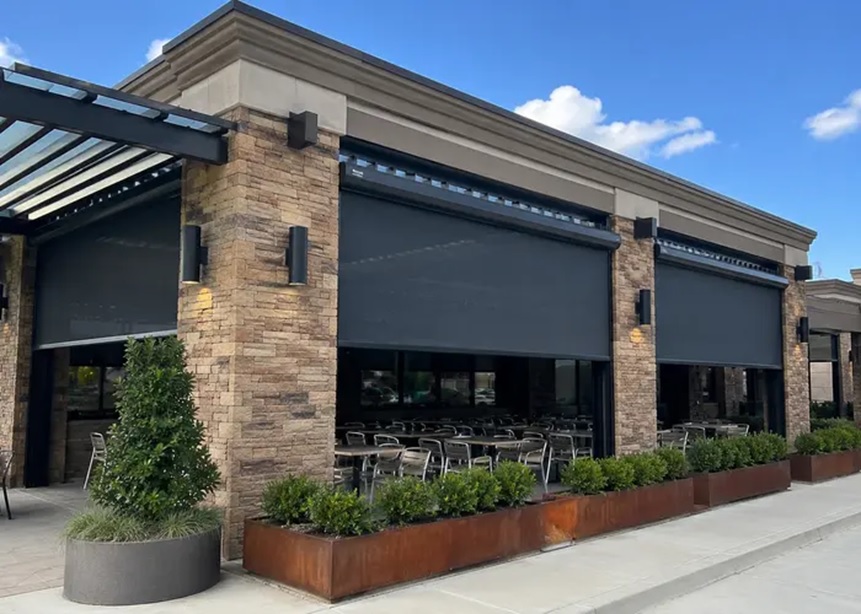
Retractable screens allow homeowners to adjust screened openings according to their needs.
Instead of permanently enclosing the area, homeowners can raise or lower compatible screens depending on the conditions and how they plan to use the space.
Create a Comfortable Setting for Outdoor Meals
Dining outside is a simple way to enjoy a backyard, especially when the patio has enough room for a table and comfortable seating.
Unfortunately, flying insects can interrupt meals and make guests less inclined to stay outdoors.
Retractable insect screens can help reduce insect entry through the openings they cover. Their effectiveness depends on the screen material, installation, and whether other access points remain open.
When planning an outdoor dining area, consider the position of the table, the location of entrances, and how frequently people move between the house and patio.
These details help determine where screens would be most useful and whether additional access features should be considered.
Keep the Outdoor View Within Reach
One of the main attractions of a patio is the connection it creates between the home and the surrounding landscape.
Gardens, trees, landscaping features, and distant views often contribute to the appeal of an outdoor seating area.
Permanent enclosures can change the appearance of these spaces, which may not suit every homeowner’s preferences.
Retractable screens provide an alternative because they can be stored when screening is unnecessary.
When lowered, the visibility through the material depends on the fabric’s openness, color, and surrounding lighting.
Homeowners should examine available material samples before making a decision, particularly when maintaining a clear view is an important priority.
Understand the Difference Between Shade and Insect Protection
Although retractable screens may look similar, their intended functions can differ.
Some screen fabrics are primarily designed to help keep insects out, while others are developed to reduce sunlight exposure or provide additional privacy.
A material that offers excellent insect protection may not provide the same shading performance as a specialized solar screen.
For this reason, homeowners should identify their primary concerns before choosing a product.
The U.S. Department of Energy discusses how appropriate window coverings can help manage solar heat gain. While patio screens are different products, the same general principle of controlling direct sunlight can be relevant when planning outdoor shading.
Understanding the available options can help homeowners avoid selecting a screen that does not meet their expectations.
Account for Denver’s Changing Outdoor Conditions
Denver experiences sunny days, seasonal temperature changes, and periods of unpredictable weather.
These conditions can influence how often homeowners use covered patios and other outdoor gathering spaces.
A retractable system provides flexibility, but it should not be treated as a replacement for permanent walls or weatherproof construction.
Wind resistance and operating limitations vary by product.
Homeowners should understand when screens must be raised to protect the equipment from unfavorable conditions.
Following the manufacturer’s instructions is particularly important during high winds, storms, and other weather events.
Plan the Installation Around the Existing Structure
Every outdoor space has unique dimensions and construction details.
A covered patio may have wooden posts, metal framing, decorative beams, or other structural features that affect where equipment can be mounted.
Before proceeding with retractable screen installation, the available mounting surfaces and opening dimensions should be evaluated.
The location of electrical outlets, lighting fixtures, ceiling fans, and nearby doors may also influence the installation plan.
Accurate measurements are essential because screen systems must fit their intended openings.
A professional assessment can help identify structural limitations and determine which equipment configurations may be suitable.
Make Operation Convenient for the Household
Motorized retractable screens are designed to provide convenient operation through compatible control systems.
Depending on the equipment, homeowners may be able to use a remote control, wall-mounted switch, or another supported control option.
The best arrangement depends on how the household uses the patio.
For example, controls located near the main entrance may be convenient when moving frequently between indoor and outdoor spaces.
Homeowners should also ask about electrical requirements, power access, and any available safety features.
Understanding how the equipment operates before installation can make everyday use more straightforward.
Consider the Appearance of the Finished Space
Outdoor improvements should work with the home’s existing architectural style.
The appearance of screen housings, side tracks, and mounting components can influence the finished result.
Color options and equipment placement may help the system blend with surrounding materials.
Homeowners can compare how different configurations would look against exterior walls, patio posts, and overhead structures.
It is worth considering the appearance of the system both when the screens are lowered and when they are fully retracted.
Thoughtful planning can help preserve the visual appeal of the outdoor space while adding functionality.
Avoid Common Planning Mistakes
A successful outdoor screening project requires more than choosing an attractive product.
One common mistake is selecting screen material based entirely on appearance without considering its intended purpose.
Another is overlooking the space required for tracks, housings, or other components.
Homeowners may also underestimate how furniture placement and access points affect daily operation.
Before finalizing a project, discuss the intended use of the patio, the available installation area, and the limitations of the proposed system.
Clear expectations can reduce misunderstandings and help ensure the selected equipment fits the space.
Keep Your Screens in Good Working Condition
Outdoor screening systems are exposed to dust, pollen, and other environmental debris.
Routine care can help keep the fabric and operating components in suitable condition.
Cleaning methods depend on the screen material and equipment specifications.
Homeowners should follow manufacturer recommendations and avoid using abrasive tools or harsh chemicals unless specifically approved.
The screen’s path should also remain clear of furniture and other obstacles during operation.
If the system develops unusual noises, uneven movement, or other operating problems, professional inspection may be preferable to attempting unfamiliar mechanical repairs.
Invest in a Patio That Fits Your Lifestyle
Outdoor spaces are most valuable when homeowners can use them comfortably and conveniently.
Rather than planning exclusively around occasional gatherings, consider the activities that take place throughout a typical week.
A covered patio might accommodate family meals, quiet reading, casual conversations, or time spent enjoying the backyard.
Retractable screen installation can support these activities by allowing homeowners to adjust screened openings without permanently changing the open-air character of the space.
The right combination of materials, controls, and installation details depends on the property’s layout and the household’s priorities.
Bring More Flexibility to Your Outdoor Living Area
A well-designed patio should feel like a natural extension of the home. With the right improvements, homeowners can enjoy outdoor dining, relaxation, and entertaining while responding more easily to sunlight and insects. Thoughtful retractable screen installation can help create a more versatile outdoor environment without requiring a permanently enclosed space.
Homeowners interested in improving their patios can contact Conservation Screens and Awnings of Denver to explore available retractable screen options and discuss installation requirements. Professional guidance can help identify a suitable system that complements the home’s design and supports more comfortable outdoor living.